High-Purity Radiation Shielding Lead Sheets Go Global, Securing Radiation Safety for Medical and Industrial Sectors Worldwide
With the worldwide popularization of medical imaging equipment, continuous expansion of industrial non-destructive testing (NDT) and nuclear research laboratories, all countries have introduced stricter supervision and acceptance standards for ionizing radiation protection. As a core raw material for shielding X-rays and gamma rays, radiation shielding lead sheets are seeing sustained growth in global market demand. Production processes and quality inspection standards across the industry have also been upgraded in tandem, delivering reliable safety protection for all radiation application scenarios around the globe.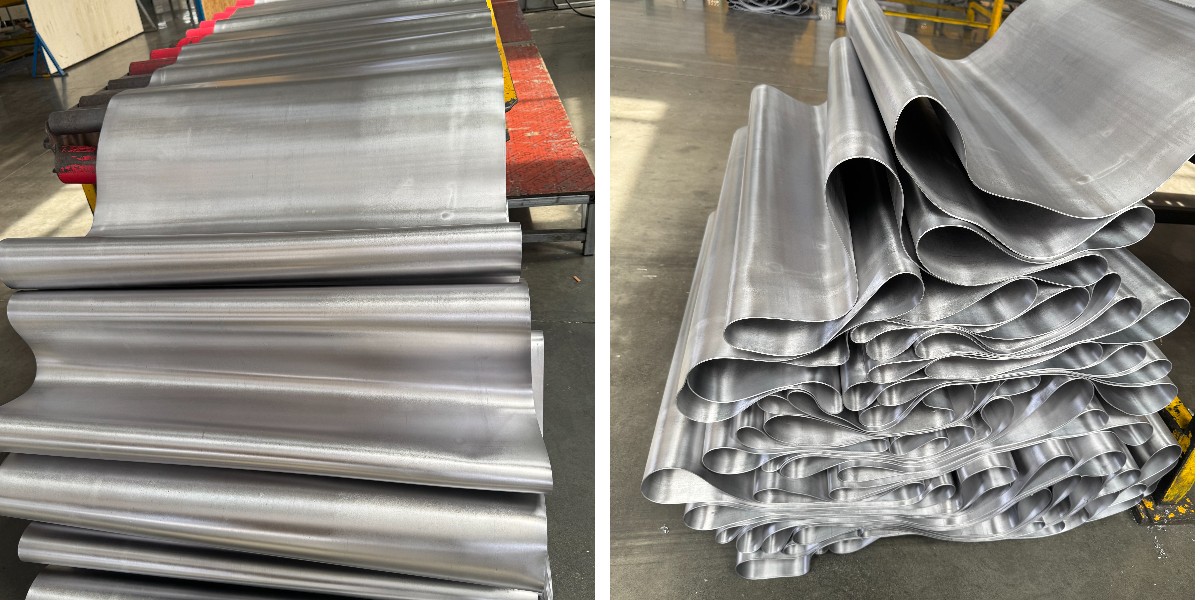
Ionizing radiation is widely used in hospital CT rooms, DR radiography rooms, dental CBCT suites, interventional operating rooms, heavy industry flaw detection workshops, isotope research laboratories and other facilities. Long-term human exposure to unshielded radiation will cause irreversible damage to the hematopoietic and immune systems. Lead features high density and a high atomic number. Lead sheets with 99.99% purity can efficiently absorb and block ionizing radiation, making them the most widely adopted and cost-effective shielding material worldwide. They are commonly used for wall and ceiling cladding in radiation rooms, lining for radiation-proof doors, and fabrication of integral lead shielding cabins.
Global market research data on radiation protection materials for 2026 shows that medical applications account for over 40% of the total market share of radiation shielding lead sheets. Medical regulatory authorities in various countries have tightened completion inspections for radiology facilities, imposing mandatory specifications on lead purity, thickness tolerance, lead equivalent values and joint sealing performance. Low-cost inferior lead sheets with impurities and uneven thickness are gradually being phased out of overseas procurement markets.
Domestic original manufacturers keep introducing precision multi-pass hot rolling equipment and optimizing lead sheet rolling processes. The thickness tolerance of finished products is controlled within an extremely narrow range, with flat surfaces free of cracks and pinholes, fundamentally preventing radiation leakage through sheet joints. Manufacturers supply a full range of customized products tailored to diverse operating environments across the globe:
Standard medical lead sheets (0.5mm–3mm): Suitable for renovation of overseas small dental clinics, general DR and CT rooms;

Heavy-duty thick shielding lead sheets (4mm–10mm): Dedicated to nuclear medicine departments, linear accelerators and large-scale industrial flaw detection workshops;
Modified alloy lead sheets: Formulated with anti-deformation metal components, lighter in weight and resistant to acid and alkali corrosion, ideal for humid Southeast Asian regions and low-temperature, high-altitude construction projects in Europe and America.
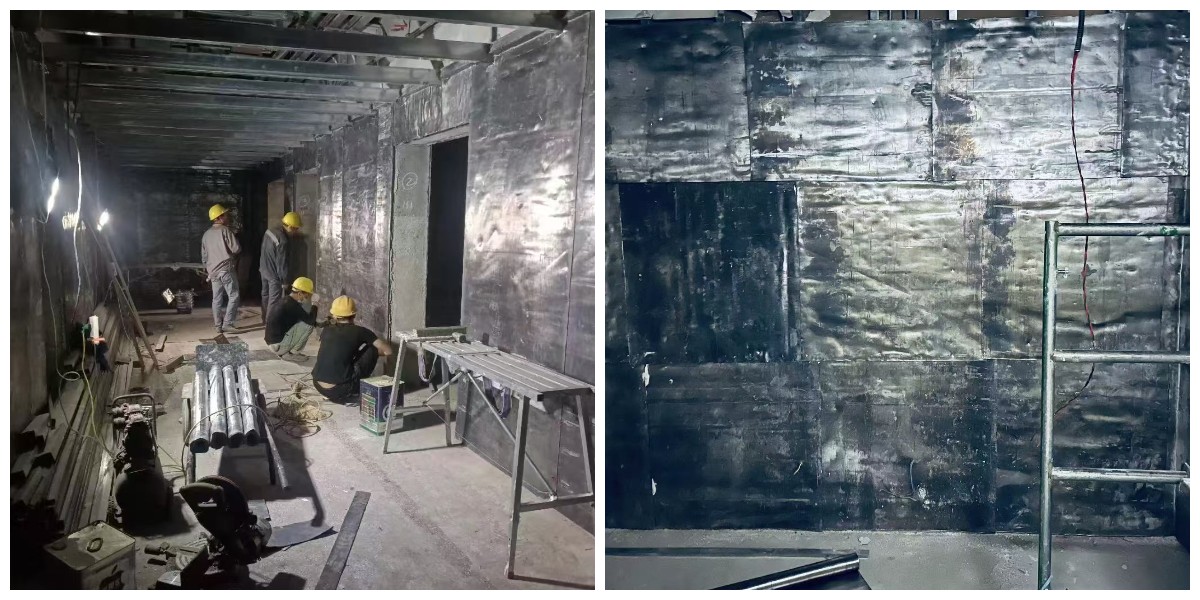
Multiple radiation protection engineering enterprises with export business reported that overseas tertiary hospital radiology renovation projects uniformly adopt high-purity rolled radiation shielding lead sheets. After construction, third-party radiation dose testing results are far below international safety limits, fully safeguarding the long-term safety of medical staff and patients. Newly built non-destructive testing workshops at overseas shipbuilding and machinery manufacturing plants also adopt custom thick lead sheets to build enclosed shielding cabins, preventing industrial radiation leakage and surrounding environmental contamination.
Foreign trade experts in the industry analyzed three major development trends for the global radiation shielding lead sheet sector in the future: First, product standardization to unify internationally accepted testing criteria for lead equivalent; Second, one-stop customized services including cutting and processing based on overseas room dimensions and radiation energy levels, paired with supporting installation and construction solutions; Third, research and development of lightweight composite shielding materials that reduce building load while retaining full shielding performance and shortening construction cycles for overseas job sites.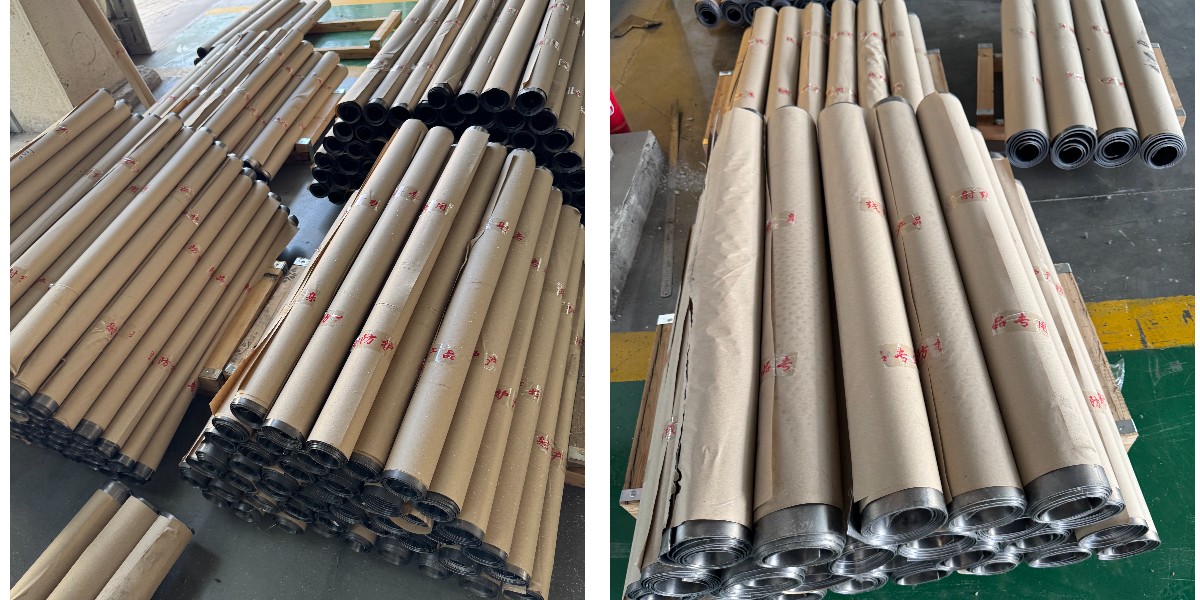
A reminder to medical institutions, industrial flaw detection enterprises and foreign trade engineering purchasers worldwide: When sourcing radiation shielding lead sheets, be sure to verify manufacturers’ production qualifications and material test reports. Prioritize formal manufacturers with years of export experience that can provide internationally recognized test certificates and supporting services to pass overseas project acceptance. Eliminate potential radiation safety hazards at the source and complete the construction and renovation of radiological facilities in full compliance with regulations.