What are the main applications of lead plates?
What are the main applications of lead plates?
Many people associate heavy lead plates with hospital radiology departments. However, the reality is far more complex. This special metal, with its high density and excellent radiation shielding properties, plays an irreplaceable role in a wide range of fields, including medicine, industry, and cutting-edge scientific research, silently safeguarding production safety and public health.
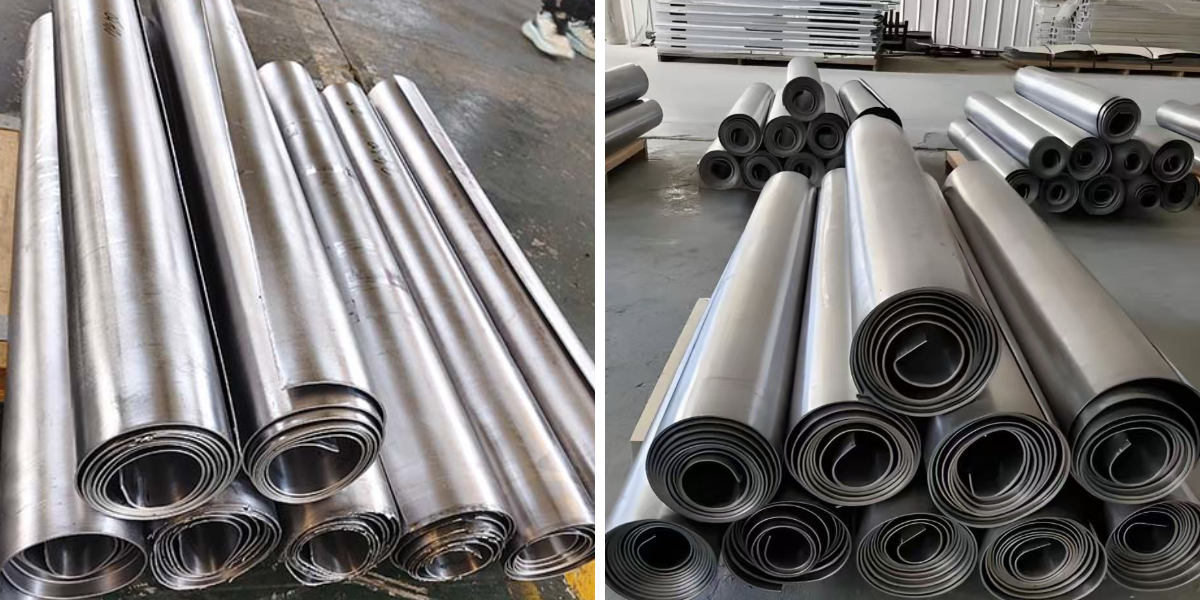
Core Applications in Medical Protection
The medical field is undoubtedly the most critical application scenario for lead plates. It is a core material for building safe medical environments: from the walls and protective doors of conventional X-ray and CT rooms, to dental CT scan rooms, drug dispensing shielding cabinets in nuclear medicine departments, and even cutting-edge proton therapy centers, lead plates, through scientifically designed "lead equivalent," form reliable barriers that precisely absorb harmful radiation, ensuring the safety of medical staff and patients. This field has extremely high requirements for material purity, uniformity, and processing technology, driving companies like Shandong Qite Radiation Protection Engineering Co., Ltd. to continuously improve their product standards.
Industrial Flaw Detection and Nuclear Energy
In the industrial field, lead plates are an essential component for ensuring the safe conduct of non-destructive testing. In X/γ-ray flaw detection rooms for oil pipelines, aerospace components, and large castings, lead plate shielding ensures the protection of operators from radiation hazards. In nuclear power generation, nuclear technology applications, and nuclear waste treatment facilities, it is a core protective material for dealing with high-energy radiation and preventing leaks. These applications highlight the crucial role lead plates play in the safety of major engineering projects.
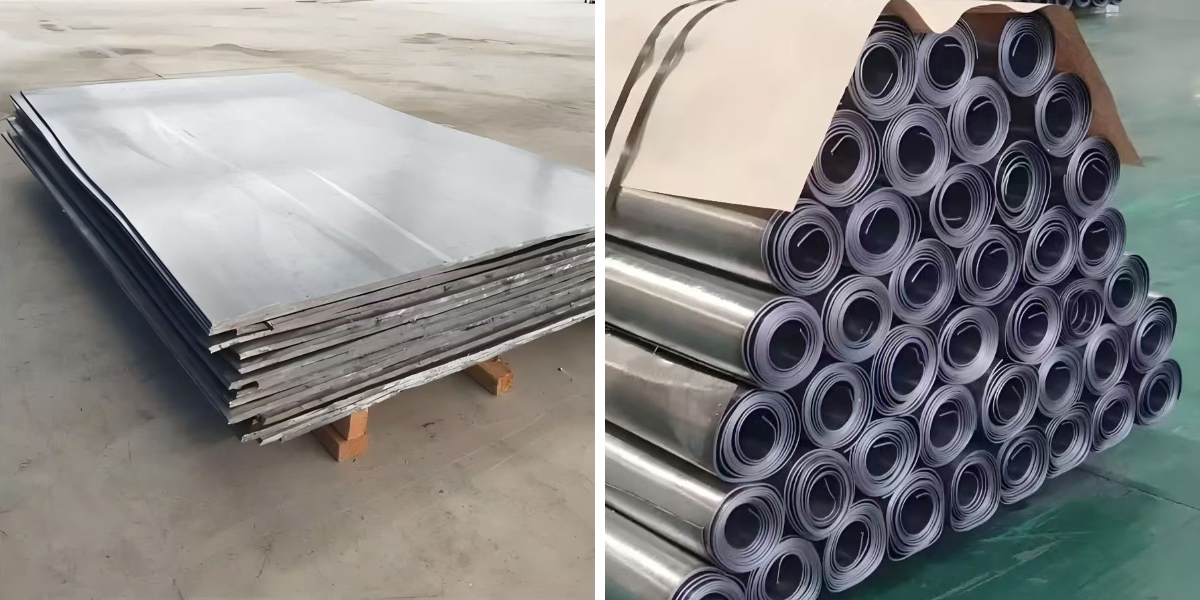
Medical Laboratory Research and Special Needs
From particle accelerator shielding in high-energy physics laboratories to radiation-proof partitions in precision laboratories, lead plates provide essential environmental protection for cutting-edge scientific research. Furthermore, its high density makes it a superior counterweight for ships and elevators; its corrosion resistance is also used in chemical corrosion protection. These diverse roles collectively demonstrate the important value of lead plates as a fundamental functional material.
From hospitals protecting patients to factories ensuring the safety of major engineering projects, and laboratories exploring the unknown, the application of lead plates spans multiple key dimensions of modern society. It is not only a product of technology but also a tangible symbol of a safety commitment. As various industries increasingly demand higher safety standards, high-performance, high-reliability lead plates and their system solutions will continue to provide a solid foundation for the stable operation of society.
- Previous : Can Lead Glass Really Block Radiation? The transparent observation window on the heavy protective door of a hospital radiology department often sparks curiosity: can this seemingly ordinary glass really block invisible X-rays? The answer is yes. Lead gla
- Next : X-ray Door Specifications: Thickness, Weight, Size