Radiation Protection: Thicker Does Not Mean Better. Scientific Material Selection Is the Key
Many buyers have a common misunderstanding when selecting materials for radiation protection projects: they believe that thicker lead sheets and lead rolls always deliver better radiation shielding and higher safety. To be on the safe side, many purchasers even ask for upgraded thickness and blindly specify lead materials of higher grades. In fact, radiation shielding follows standardized shielding calculation principles. It requires proper matching to meet design requirements instead of the misconception that thicker means safer. Blindly increasing lead thickness will not only push up procurement costs greatly, but also add wall load, handling and construction difficulties, bringing extra stress to civil structures. It adds no extra safety margin, yet causes waste of material, capital and construction time.
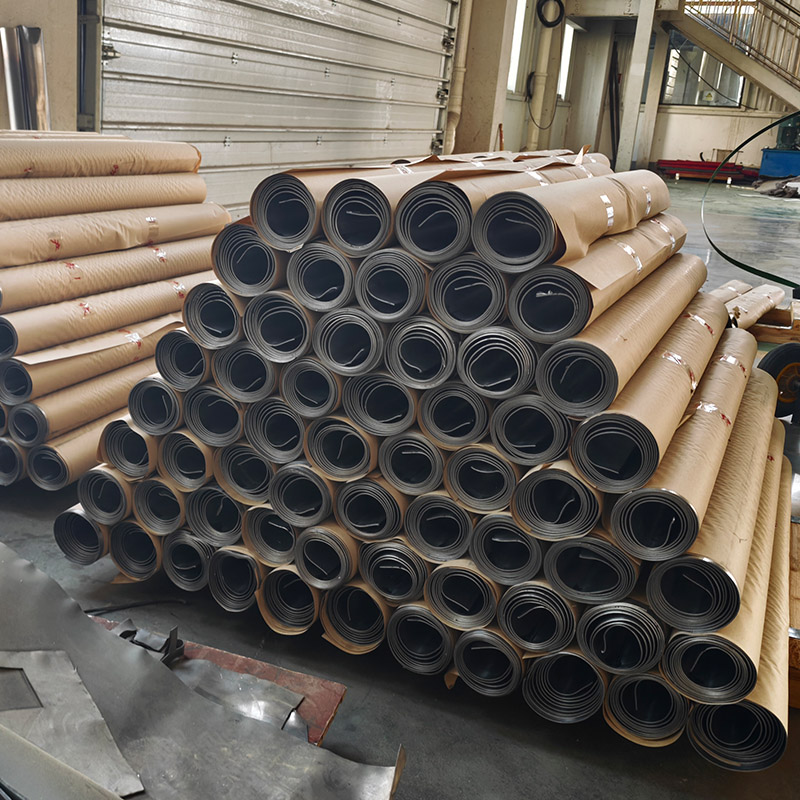
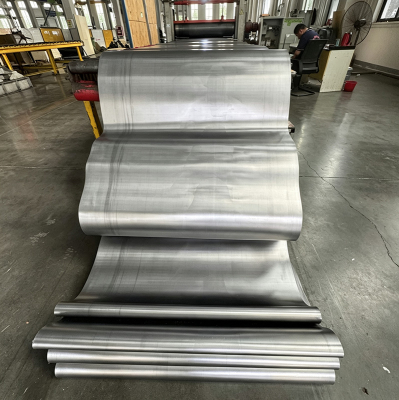
Shielding grades are defined based on rigorous calculations, determined by multiple parameters including the radiology equipment model, tube voltage, primary beam direction, and the distance between the machine and operators. Radiation levels vary greatly among medical departments. Dental X-ray rooms produce low-energy radiation and require low lead equivalence. CT suites, interventional rooms, PET-CT and linear accelerator rooms generate high-energy X-rays and gamma rays, which call for much higher lead equivalence. Standards differ even within one single room. Primary walls facing the X-ray tube are exposed to direct primary beams and need the highest shielding grade. Side walls and ceilings mainly receive scattered radiation as secondary shielding, so their requirements can be reduced appropriately. It is worth noting that Lead Sheet Roll and Medical Lead Sheet offer identical radiation attenuation performance at the same lead equivalence. Their key difference lies in physical form, so selection depends on the flatness of the base surface and construction locations.
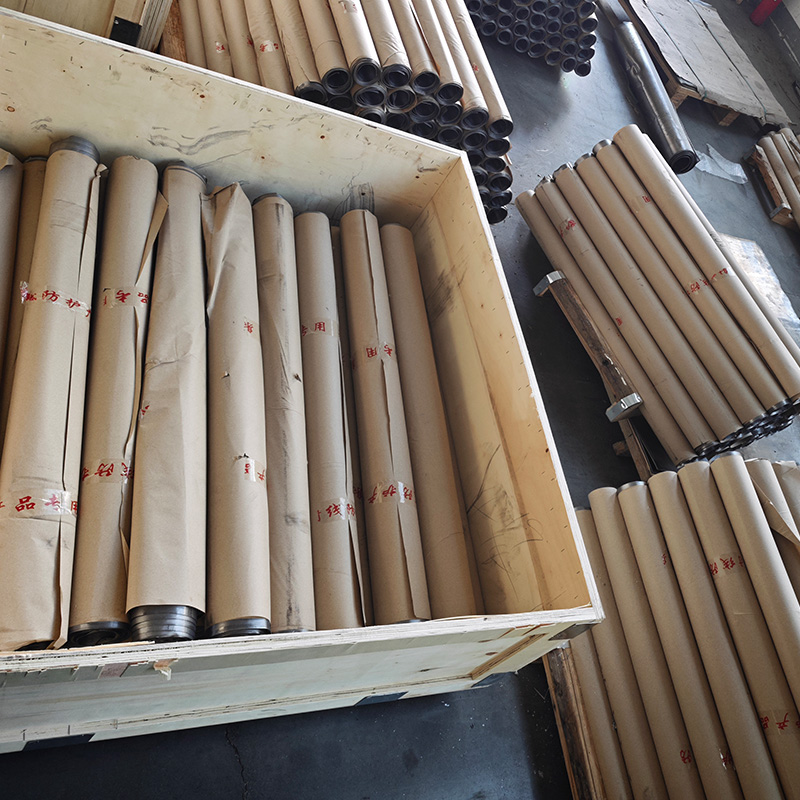
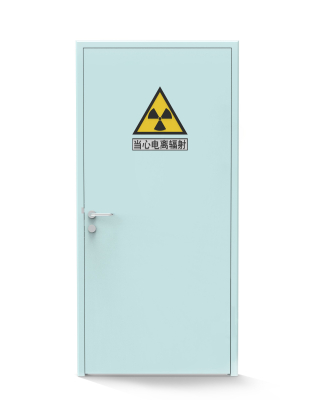
Scientific material selection relies on professional radiation calculation based on equipment parameters and room layout drawings. The required lead equivalence should be calculated at the early project stage to select suitable lead rolls or lead sheets, rather than choosing thickness by experience. Besides, radiation protection is a closed-loop system subject to the bucket effect. The lead equivalence of wall shielding materials, lead doors and lead glass observation windows throughout the room must be well matched. If the wall has sufficient shielding with qualified Radiation Protection Lead Sheet, but the lead door or lead glass is under-rated, radiation will leak from these weak points. The investment in wall shielding will be largely compromised, and the radiation safety of the whole room cannot be guaranteed.
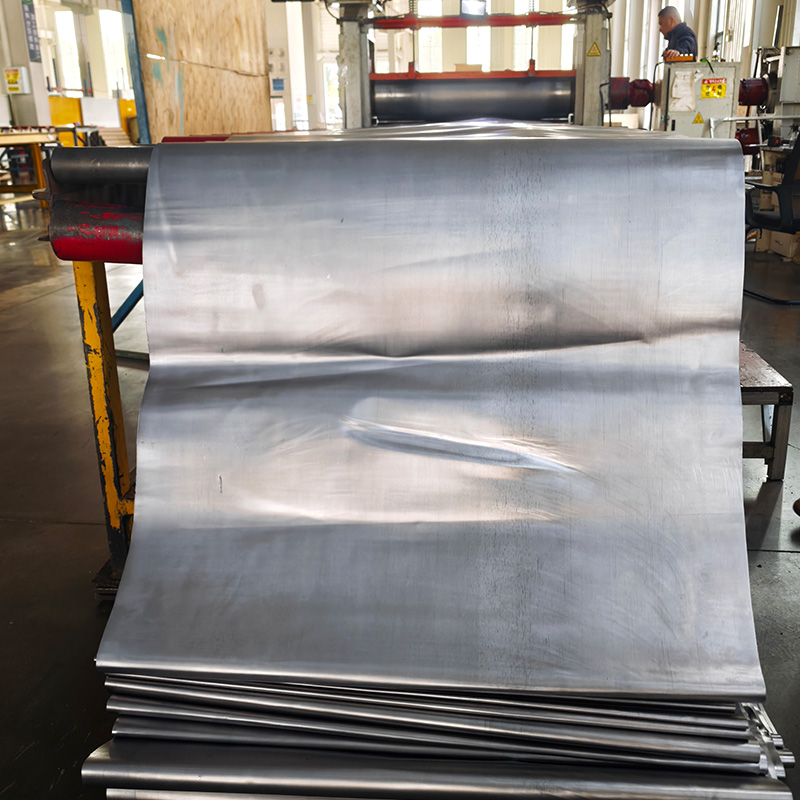
The technical team of Shandong Qite Protection provides professional material selection advice. We calculate and recommend suitable specifications of lead rolls, lead doors and Lead Sheet For X Ray according to site conditions, equipment parameters and local protection standards. Custom sizes and one-stop supply of matched products are available. All goods pass lead equivalence testing before delivery with test documents provided. We have rich experience in radiation protection export business and understand overseas medical project demands. We supply dependable Lead Shielding Sheets and technical support to engineering contractors and medical purchasers worldwide. Partners at home and abroad are welcome to discuss shielding solutions, request samples and place orders.