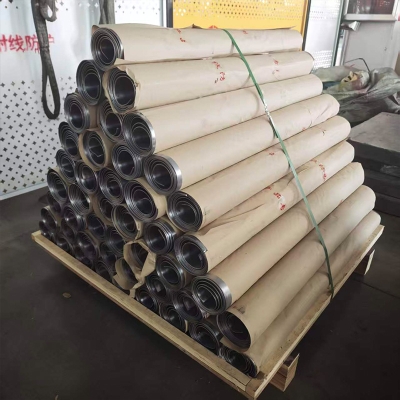
From CT Room to X-Ray Lab: Where Lead Sheet Roll Quietly Saves Lives
The best shielding is the one nobody has to fix, and that outcome is settled before installation, in the melt, the mill and the tolerance band. A lead sheet roll that passes its first radiation survey is worth far more than a cheaper roll that passes on the second attempt, because in a hospital the gap between them is not metal: it is repainting, re-scheduling, re-inspection and a protection officer who stops trusting the file. Three numbers carry that promise — 99.99% purity, ±0.1 mm thickness control and 11.34 g/cm³ density — which together mean two millimetres of lead stop roughly what twenty millimetres of concrete would, in every square metre rather than only in the panel's centre. A lead sheet roll rolled from virgin lead holds composition to ASTM B29, so a radiation shielding lead sheet ordered at 2 mm measures 2 mm at the tenth square metre as surely as at the first; scrap-fed material leaves slag, dross and intermetallic inclusions that survive rolling as voids, and the shortfall appears only at the post-installation survey, once the room is painted and the scanner is in. Weight tells the same story in structural terms. Every kilogram of shielding is dead load on the slab, so the soundest specification reaches lead equivalence at the lowest practical thickness, which is why engineers drafting a lead sheet for CT room shielding now name the material in the tender, and why the argument holds equally for lead shielding for X-ray room conversions in buildings whose slabs were never designed for extra mass.
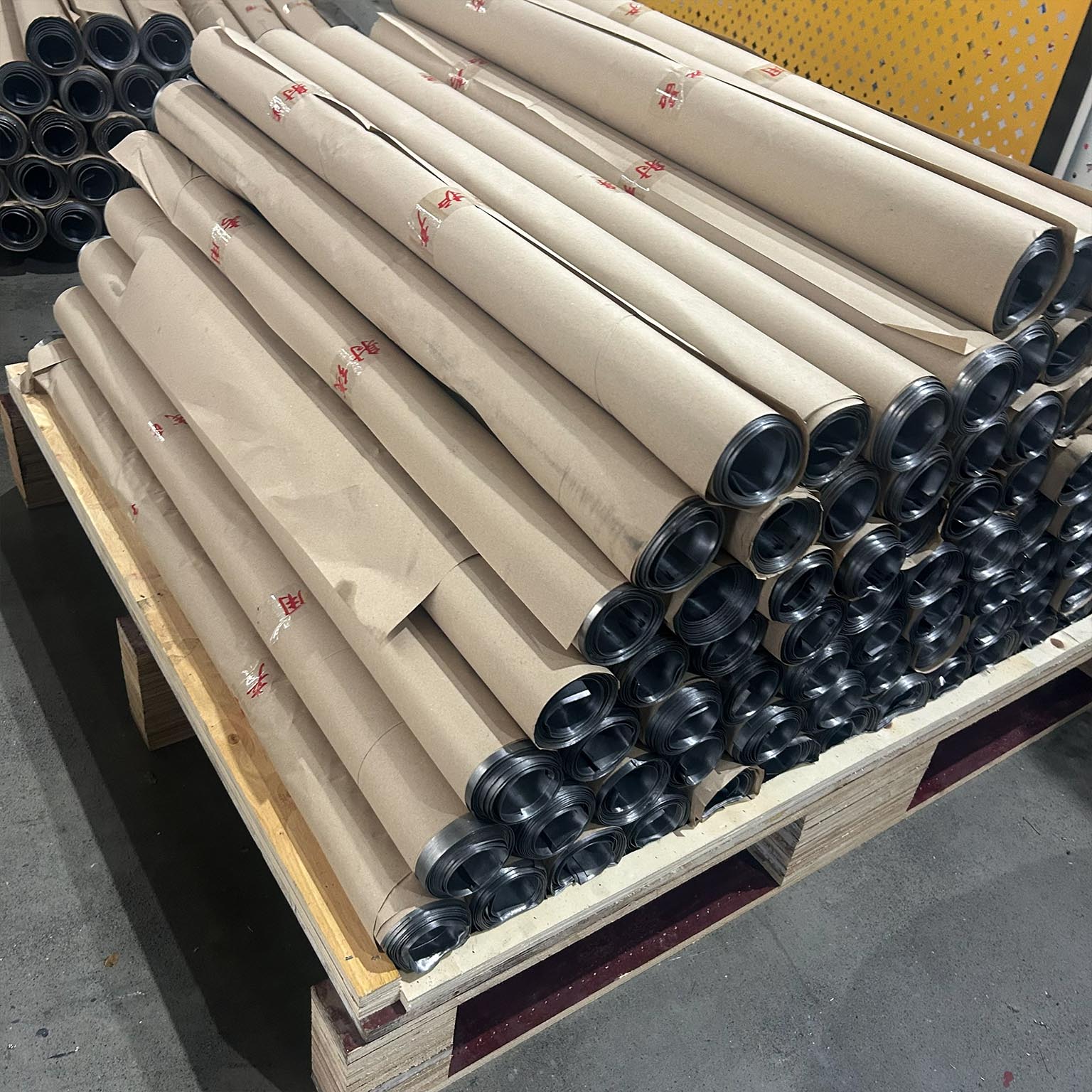
Savings continue through specification, where three decisions set the final cost. Width first: 1000 mm and 1200 mm coils remove roughly a third of the joints on a typical CT room wall, and every joint eliminated is labour, sealant and a re-survey that never reaches the invoice. Temper second: half-hard lead sheet roll forms cleanly around columns and duct runs, soft temper lies flat and dresses onto uneven substrates, and one mill offering both tempers from a single melt with one certified chemistry lets a contractor cover an entire hospital on one submittal, one radiation shielding lead sheet specification approved once, and no second sourcing exercise mid-project. Cutting third: when a cut-to-size lead sheet roll arrives at the room's real dimensions, offcuts fall from double-digit percentages to almost nothing, freight volume drops with them and site labour shifts from cutting to fixing. Coil weight closes the arithmetic, with 500 kg coils for crane-served floors and 100–200 kg coils for a two-man carry up a stairwell, and a factory that quotes a lead sheet roll by thickness alone is quoting half a product. The other half is everything that happens after the container is opened.
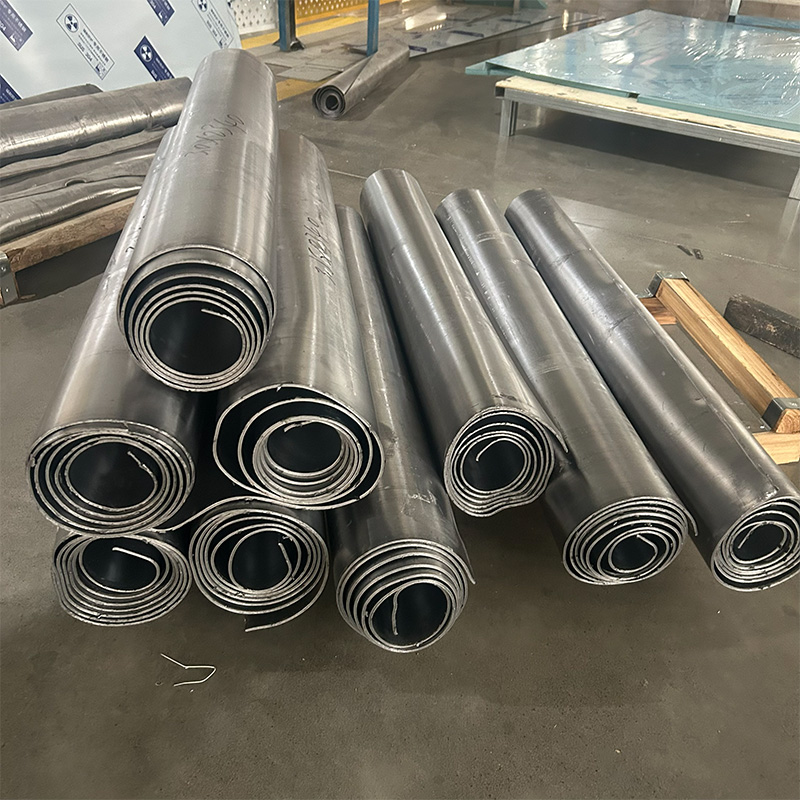
On site the advantages turn into calendar days. Material with a true, straight edge makes the 20–30 mm overlap that closes a seam without leaning on mastic, so a wall scheduled for two days finishes in half of one; a wavy edge does the reverse, forcing the fitter to chase the cut line, waste metal and leave the gap a survey meter finds in seconds. Retrofit work is where this shows most: existing rooms arrive with door frames, cable trays, penetrations and uneven substrates, and a lead sheet for CT room shielding retrofit has to be shaped in place rather than re-ordered, which is why soft-temper lead sheet roll can be dressed around a corner by hand, bent over a duct and cut with a knife or shear without cracking at the grain boundary. On a phased programme, or on lead shielding for X-ray room conversions inside a live hospital, that workability usually settles the job before price is discussed. Weight then sets crew size, and crew size sets the date: a 2 mm lead sheet roll runs about 22.7 kg/m², light enough for two fitters on a scaffold with no hoist, one figure that decides whether work proceeds beside an operating theatre or waits for a shutdown window. A lead sheet roll that arrives flat, straight and correctly tempered does not merely install faster — it buys back the days a contractor actually sells.
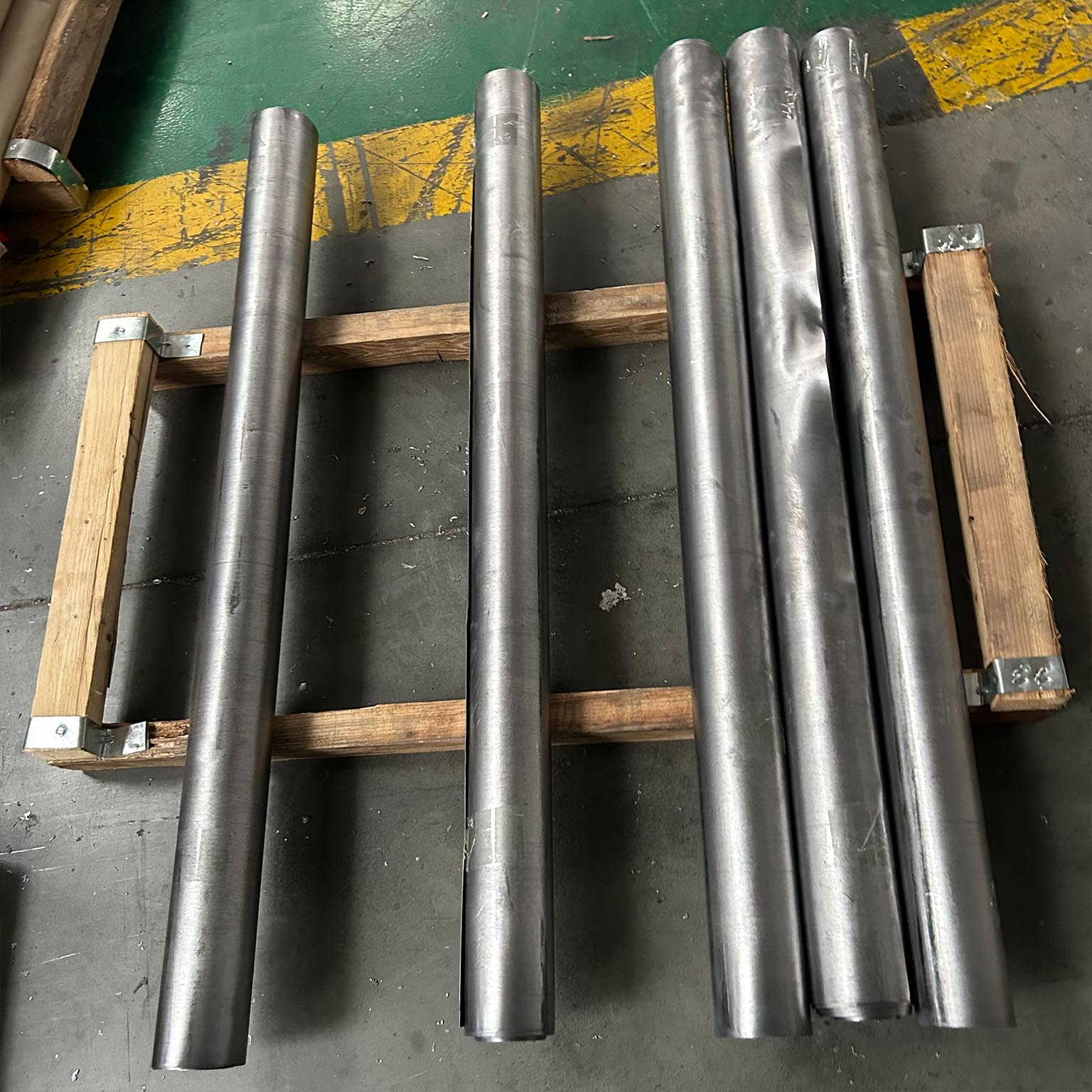
Longevity is the advantage that appears after the invoice is forgotten. A correctly fixed lead sheet roll does not shrink, crack or lose density, and its attenuation is effectively unchanged after decades, the reason lead still sets the benchmark that newer composites are measured against while organic barriers age, embrittle and eventually need replacing. The real threats sit at the surface: humidity, acidic condensate and galvanic contact with dissimilar metals, all answered by factory finish, dry storage and correct fixing, which are process decisions rather than material compromises. Compliance is the other half of that durability, because a shielding project needs paper as much as metal — certified chemistry, thickness verification and, where the client requires it, third-party reports a protection officer can file without argument. Every radiation shielding lead sheet specification should carry a heat number for this reason alone, and buying a lead sheet roll with a traceable one plus a mill certificate settles at handover a conversation nobody has time to have. It is also why experienced buyers treat a lead sheet roll supplier as part of the design team rather than a line in the purchase order: the documentation trail decides how smoothly a lead shielding for X-ray room project closes out, and how quickly the next room starts.
Supply decides whether any of this reaches the buyer intact. Shandong Qite Protective Equipment manufactures lead sheet roll alongside lead plate, lead doors, lead glass and lead wool, and supplies medical, industrial and laboratory buyers across Europe, the Middle East, Southeast Asia and Latin America. Working as a lead sheet roll supplier to overseas tender schedules, the plant packs for the load rather than the pallet: seaworthy crates, moisture barrier, edge protection and coil cradles, with HS code, weight list and certificate of origin ready before the container is booked. As a lead sheet roll supplier that cuts in-house, it ships 0.5–20 mm custom thickness, pre-cut lengths and multilingual documentation from the factory that builds the product and answers for its certification.