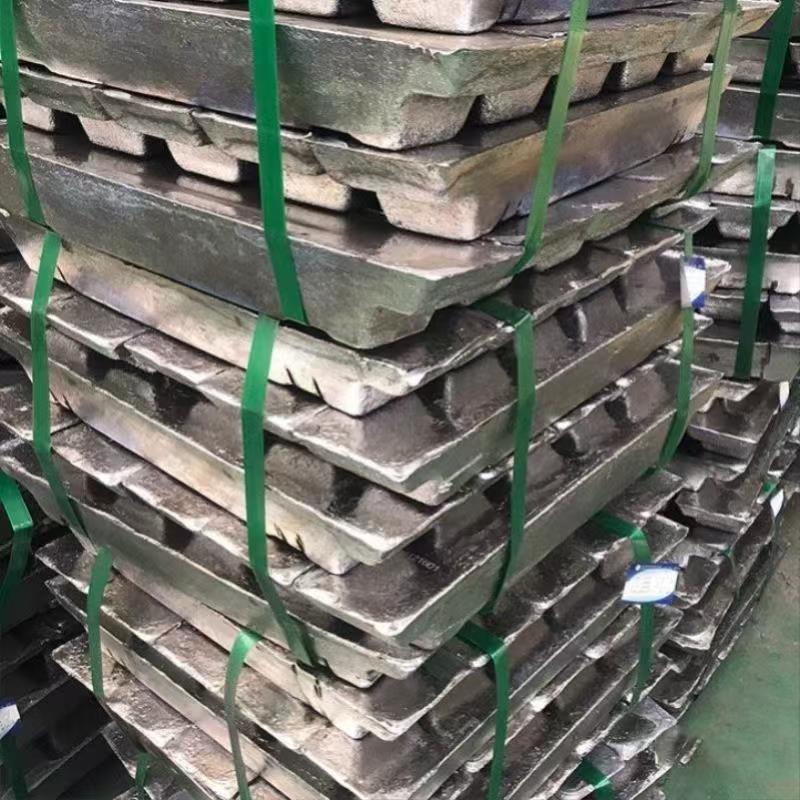
Interlocking Lead Bricks
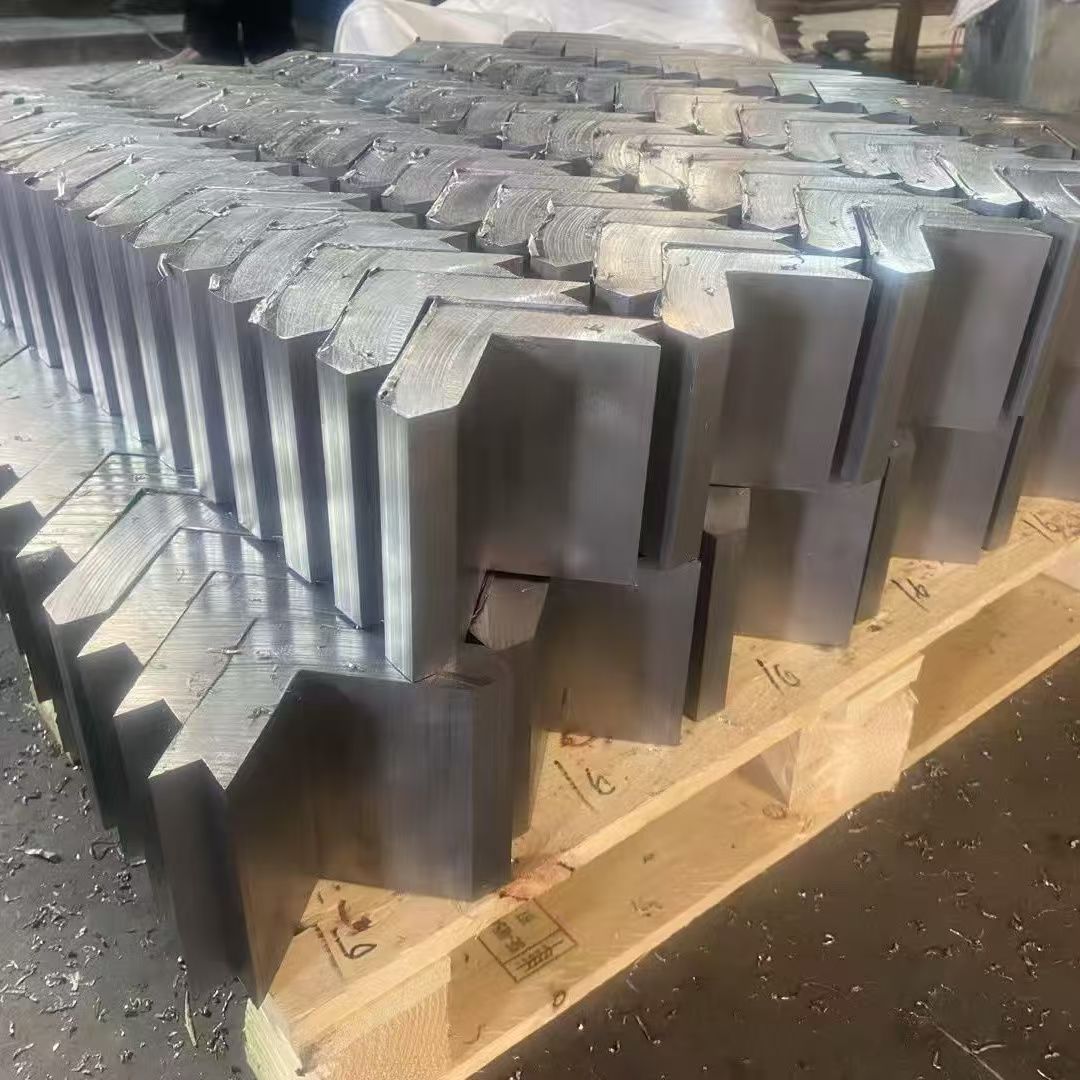
Zero-gap shielding: mortise and tenon joint structure, brick joint ≤0.5mm, radiation protection efficiency +15%.
Super strong displacement resistance: earthquake resistance and impact resistance ×3, 10-meter high wall vertical deviation <2mm (national standard ≤5mm).
Efficient construction: no welder required, labor -40%; can be disassembled and reassembled, construction period -70%.
High-strength pressure bearing: bite surface pressure +30%, bottom brick pressure ≥8MPa (normal ≤5MPa).
Full-cycle cost reduction: joint treatment cost -90%, structure life 50 years maintenance-free.
etailed explanation of bite lead brick products
Innovative structural design
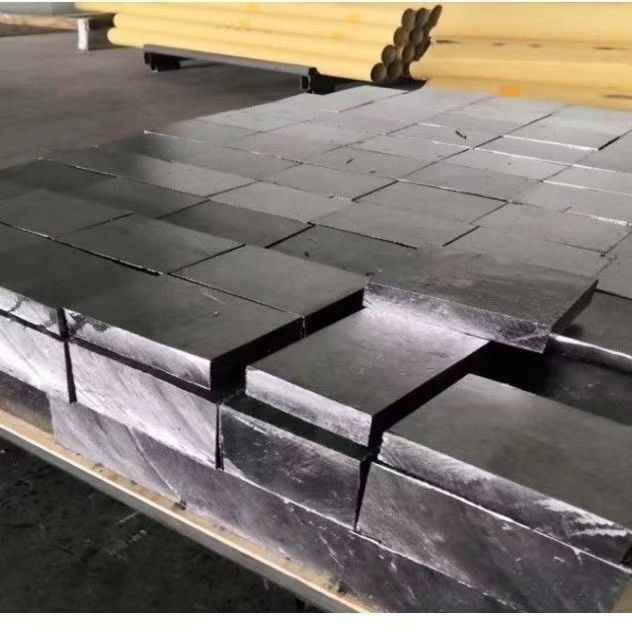
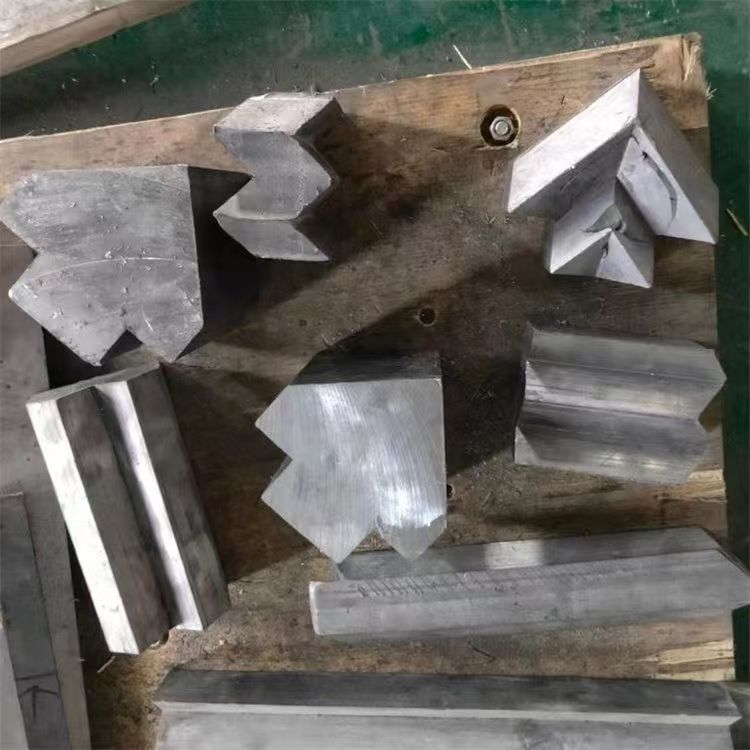
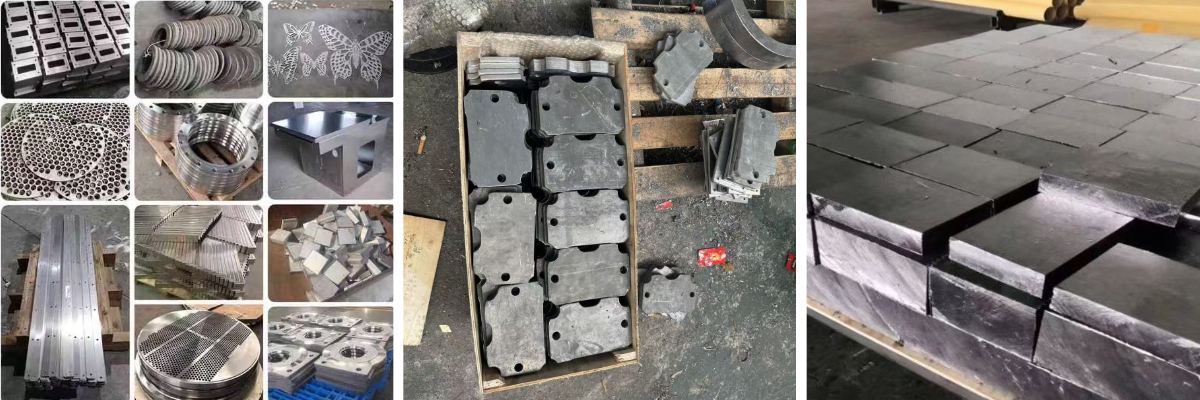
The bite lead brick adopts a mortise and tenon concave and convex groove structure (patented design), and the edge is precisely processed into a trapezoidal/dovetail groove shape, forming a three-dimensional mechanical interlocking when assembled. The standard module size is 200×100×50mm, and the tolerance is strictly controlled at ±0.3mm, ensuring that the gap is ≤0.5mm, and the density maintains an ultra-high precision of 11.34±0.02g/cm³, far exceeding the traditional masonry process.
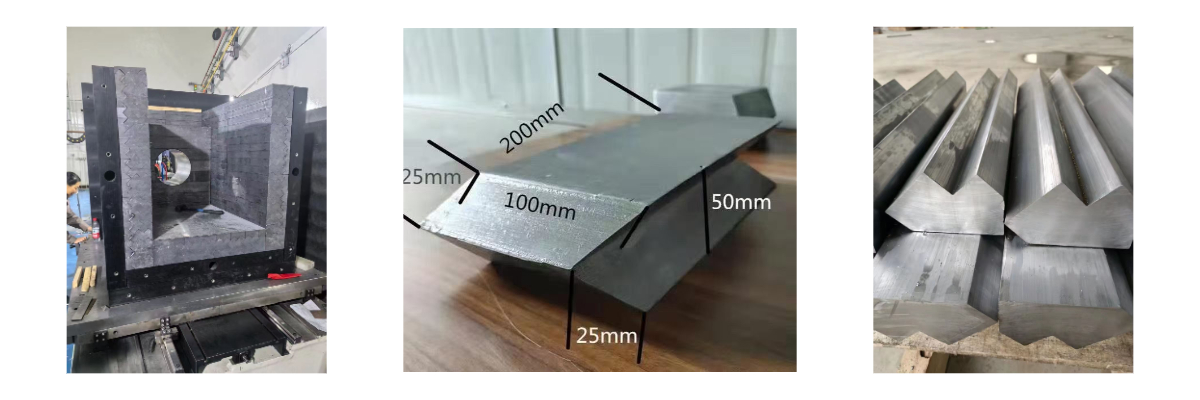
Five core advantages
Absolute radiation sealing
The bite structure eliminates straight-through gaps, and the gamma ray leakage is reduced by 22.7dB (0.15MeV test data)
A 150mm thick wall can meet the IAEA's protection requirements for PET-CT machine rooms (ordinary masonry requires 180mm)
Anti-impact and stable system
The lateral bite force increases the wall's earthquake resistance level to level 8 (verified by the national standard GB50011)
The deformation of a 10-meter-high wall is less than 1.5mm, which is suitable for dynamic scenes such as ship nuclear power cabins
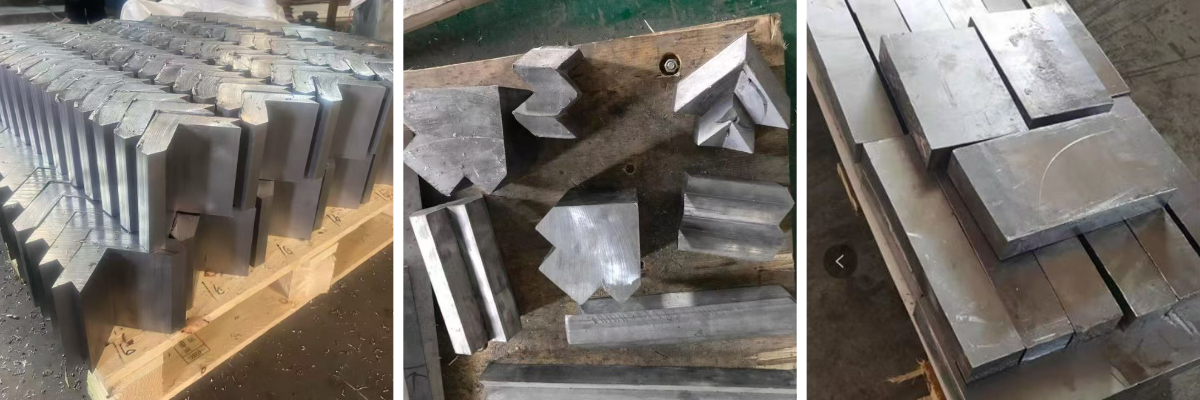
Revolutionary construction efficiency
The modular assembly speed reaches 25㎡/person/day (400% higher than traditional processes)
Supports non-destructive disassembly and assembly, and the construction period for upgrading and reconstructing medical equipment is shortened by 70%
Super strong structural load-bearing
The bite surface increases the force-bearing area by 30%, and the bottom layer has a pressure bearing capacity of 8MPa
It can be directly used as a load-bearing floor for CT equipment, saving the cost of concrete base
Full life cycle economy
No weld treatment, protective coating 90% reduction
50 years of structural maintenance-free, lead recovery rate > 98%
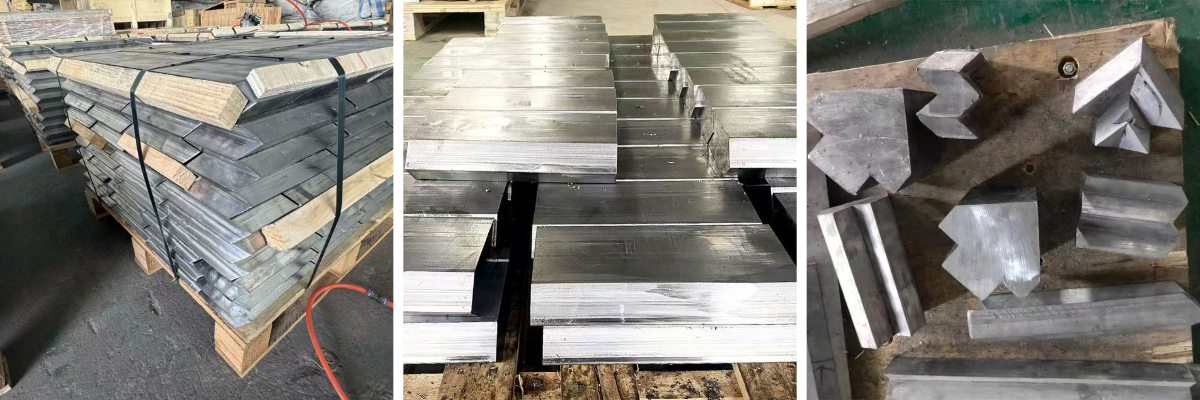
Industry application scenarios
Medical radiation protection
Composite protective wall
In the proton therapy center of a tertiary hospital, a 150mm interlocking lead brick + 10mm boron-containing polyethylene composite structure is used, and the neutron/gamma ray comprehensive shielding efficiency reaches 99.97%
Removable protective partition
When the DR room equipment is upgraded, the partial wall demolition and modification is completed in 2 hours to avoid downtime losses
Key nuclear industry facilities
Nuclear fuel reprocessing plant
The interlocking structure resists acid and alkali vapor corrosion and maintains shielding integrity in an environment of 60℃/85% humidity
Marine reactor compartment
Passed the 9-level intensity simulation vibration test, and there was no loosening of the joints
Precision industry field
Linear accelerator tunnel
Curved interlocking bricks (R=3m customized) achieve 360° no-dead-angle protection
Aerospace counterweight
Each C919 passenger aircraft uses 1.2 tons of interlocking lead bricks, with a balancing accuracy of ±0.01g/cm³
Technical certification: ISO 14126 compression test, IAEA RS-G-1.6 radiation safety certification and GB/T 1470-2021 material standard.
The interlocking lead brick reconstructs the protection logic with structural innovation, becoming the preferred engineering solution in the fields of nuclear medicine, energy industry and cutting-edge manufacturing, and establishing a new balance between safety and economy.