Sheet Lead for Radiation Protection: Where It Still Beats Every Alternative
Radiation protection is not only a hospital business. Dental surgeries, veterinary clinics, industrial X-ray inspection bays, university laboratories and small private imaging centres all need shielding. Their rooms are usually smaller than a general hospital's, the doses lower and the walls thinner, and the protection specification is often modest — 1 mm, sometimes less. The site constraints, however, are heavier: an existing partition that cannot be disturbed, a rented building, a room that has to stay usable throughout. Sheet lead for radiation protection suits exactly these conditions. It is defined by thickness rather than by brand, it can be verified with a thickness gauge after installation, and it is thin enough to fit inside a wall that already exists. A lead sheet roll of the right gauge adds a few kilograms per square metre rather than a few hundred, and that is the difference between a shielding job and a structural one.
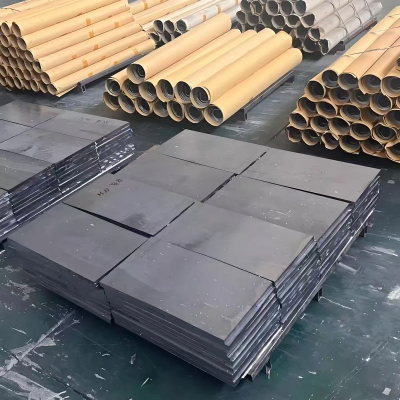
Compare it with the alternatives and the case becomes obvious. Barium sulphate mortar reaches equivalent protection only at 20 mm or more of applied thickness and then needs several days to cure; once set it cannot be measured, and it tends to crack along joints and corners. Barium board installs faster but arrives in panels, so seams multiply and density is hard to keep consistent from board to board. Lead-free composite boards solve the handling problem and create another: performance data usually comes from the manufacturer's own testing rather than from a certificate a protection officer can file, and they are thicker for the same attenuation. The traditional method — laying small lead plates — works in a small room until the room has forty joints, each of them a potential leak path and each of them dressed by hand. A continuous radiation shielding lead sheet removes most of that work: fewer seams, even gauge, and a surface that can be cut, folded and lapped with ordinary tools.
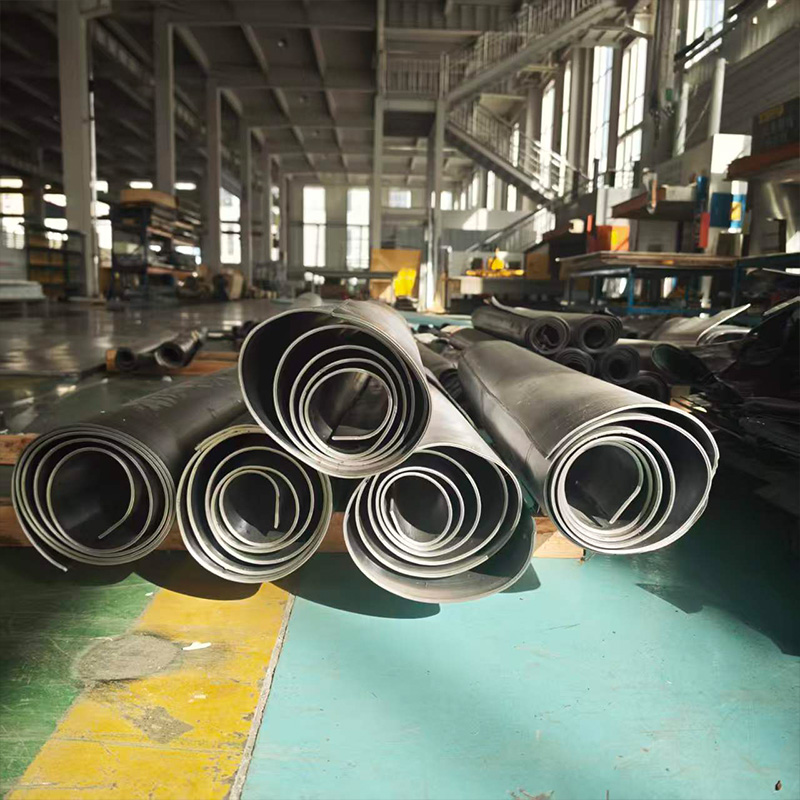
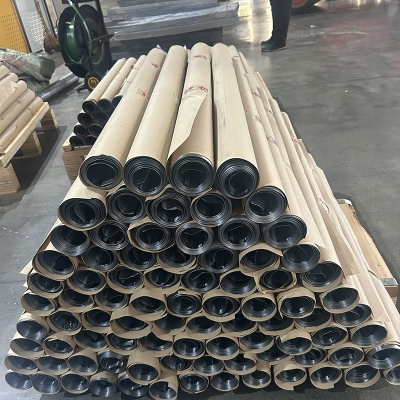
Seams are where shielding fails quietly. Radiation does not need a hole to travel along a joint: a lap that is 10 mm short, a sheet edge that is 0.2 mm thin, or a blob of mastic standing in for lead is enough to register on a survey. Material delivered in coil form lets the installer run one length across a wall instead of stitching four panels together, and where a joint cannot be avoided, a proper 20–30 mm overlap with lead strip behind it is a detail any competent crew can repeat. The same property proves its worth at the awkward places: door frames, cable trays, pipe penetrations and the internal corner where a wall meets a ceiling. Thin, flexible lead can be dressed into those details; rigid board can only be cut and patched.
Retrofit work is the most common reason sheet lead for radiation protection is bought, and it is where the practical advantages concentrate. A hospital adding a CT suite to a 1970s building cannot demolish the corridor and pour new concrete, and a veterinary practice converting a rear room cannot wait six days for mortar to cure. Work tends to run in phases, often at night, always around equipment that is already installed. Under those conditions the material has to arrive cut to size, light enough for two fitters to carry up a stairwell, and flexible enough to be formed on site without waiting for a second delivery. A coil that arrives flat, at the specified lead shielding thickness and correctly tempered can turn a week of night shifts into three — and when the room is reconfigured, it can be taken down and re-used instead of being demolished with the wall.
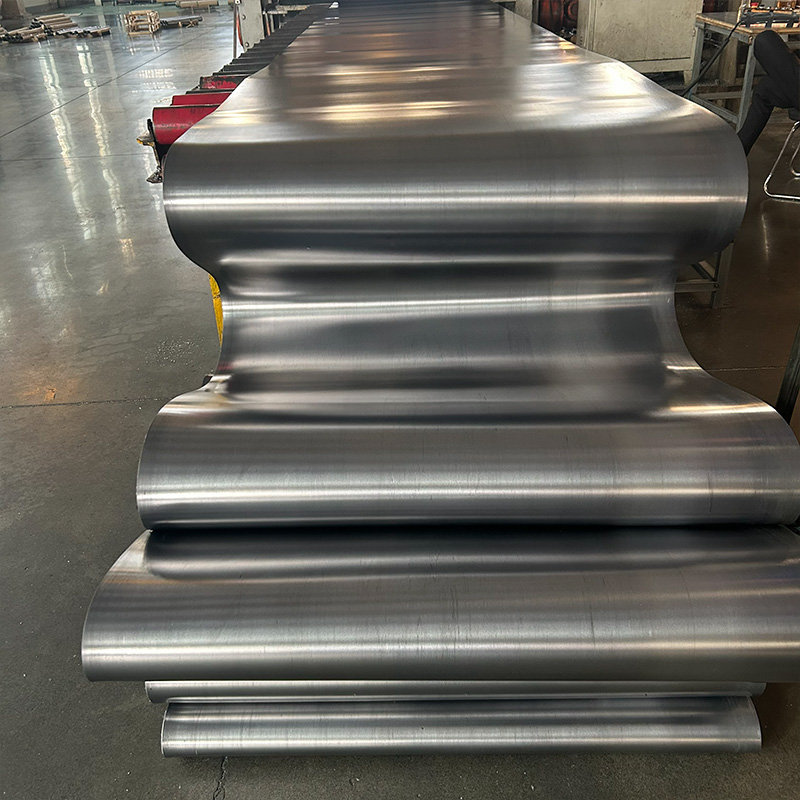
Thickness is normally expressed as lead equivalence, available from 0.5 mm to 20 mm, with most rooms falling between 1 mm and 4 mm. Tolerance matters more than the nominal figure: ±0.1 mm on a 1 mm sheet is a tenth of the material, and it decides whether the design has margin or relies on luck. Width determines how many seams the room will carry; coils at 1000 mm and 1200 mm remove roughly a third of the joints on a typical wall.
Cross-border buying adds a layer that domestic projects never see, and schedules usually slip there. Tender dates do not move because a container was late, and a shielding package arriving two weeks behind can idle an entire fit-out crew. That is why a custom cut lead sheet prepared to the drawing, packed in seaworthy crates with moisture barrier, edge protection and coil cradles, and shipped with HS code, weight list and certificate of origin ready before booking, is worth more than a marginally cheaper coil that arrives as generic stock. When comparing quotes for sheet lead for radiation protection across markets, buyers should look past the price per kilogram to what the supplier genuinely controls: thickness, width, temper, cutting, packing and documentation.
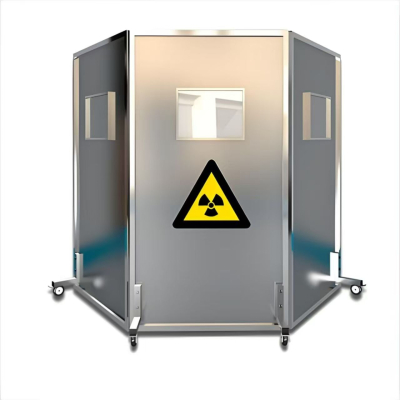
Shandong Qite Protective Equipment manufactures sheet lead for radiation protection together with lead doors, lead glass and the rest of the shielding range, supplying medical, dental, veterinary, industrial and laboratory customers across Europe, the Middle East, Southeast Asia and Latin America. Working as a lead roll supplier to overseas tender schedules, the plant rolls certified pure lead from 0.5 mm to 20 mm and cuts to the room's real dimensions before packing. Projects that need a shielding layer inside an existing wall, on a tight programme, in a building that has to keep operating, are precisely the cases this product is built for.